Understanding Trauma & Healing

Natural Responses to Trauma
When someone experiences a trauma there is a natural response that occurs which is called “fight, flight or freeze.” It is an adaptive response that has kept us alive across time and in situations of immediate danger to protect our life. Our nervous system is designed to activate in situations where we either are, or think we are in danger. In a split second, our brain analyses the situation and decides what our chances are for safety. If the situation is one in which we think we are evenly matched, or stronger than our opponent, our natural response could be to fight them off (or argue back). If the situation is one in which we think we have a good chance of getting away, we might choose the flight option and run (or change the subject). But what about those situations where we cannot fight because we are completely outmatched, and we cannot run away, because we have no chance of getting away from the situation? In these situations, we may have a freeze response.

Understanding the Freeze Response to Trauma
Many people have a freeze response to danger. We will look at how to identify the freeze response and what we can do to pull ourselves out of it. The freeze response is a common response in survivors of trauma. The freeze response is like a deer in the headlights, it can happen when the body and mind are frozen with fear and unable to move or react. The person may numb out to avoid the reality of a situation where they have no chance to fight or run. This helps us to mentally escape what is happening to us during traumatic experiences but can become a problem later, in everyday life.

The Trauma Response in Children

- Yelling, screaming, using mean words
- Hitting, kicking, biting, throwing, punching
- Blaming, deflecting, responsibility, defensive
- Demanding, controlling
- “oppositional” “defiant” “noncompliant”
- Moving towards what feels threatening
- Irritable, angry, furious, offended, aggressive

- Wanting to escape, running away
- Unfocused, hard to pay attention
- Fidgeting, restlessness, hyperactive
- Preoccupied, busy with everything but the thing
- Procrastinating, avoidant, ignores the situation
- Moving away from what feels threatening
- Anxious, panicked, scared, worried, overwhelmed

- Shutting down, mind goes blank
- Urge to hide, isolates self
- Verbally unresponsive, says, “I don’t know” a lot
- Difficulty completing tasks
- Zoned out, daydreaming
- Unable to move, feeling stuck
- Depressed, numb, bored/apathetic, helpless

3 Ways to Overcome the Freeze Response
What we can do to regulate ourselves and our children:


Take long, slow deep breaths.
In through your nose, out through the mouth.
4-7-8 pattern
This tells your brain it is safe to relax.

Ground yourself in reality.
Who am I? Where am I? What can I see? What can I hear?
Hold a familiar object.
This helps you stay present and mindful.

Move your body.
Practise TRE (trauma release exercises)
Shake it out!
This helps you body release the trauma.
When we freeze we find it hard to reach out to others for help, and tend to isolate ourselves in those places that we will not feel triggered – it feels safer to be in our home environment where we feel we will not be triggered. We also feel small and helpless. During traumatic events, freezing leads to the inability to move or shout for help, the inability to defend ourselves. It is also common to stop breathing or have to fight to breathe, as the body shuts down more and more.
The 4-7-8 Breathing Technique
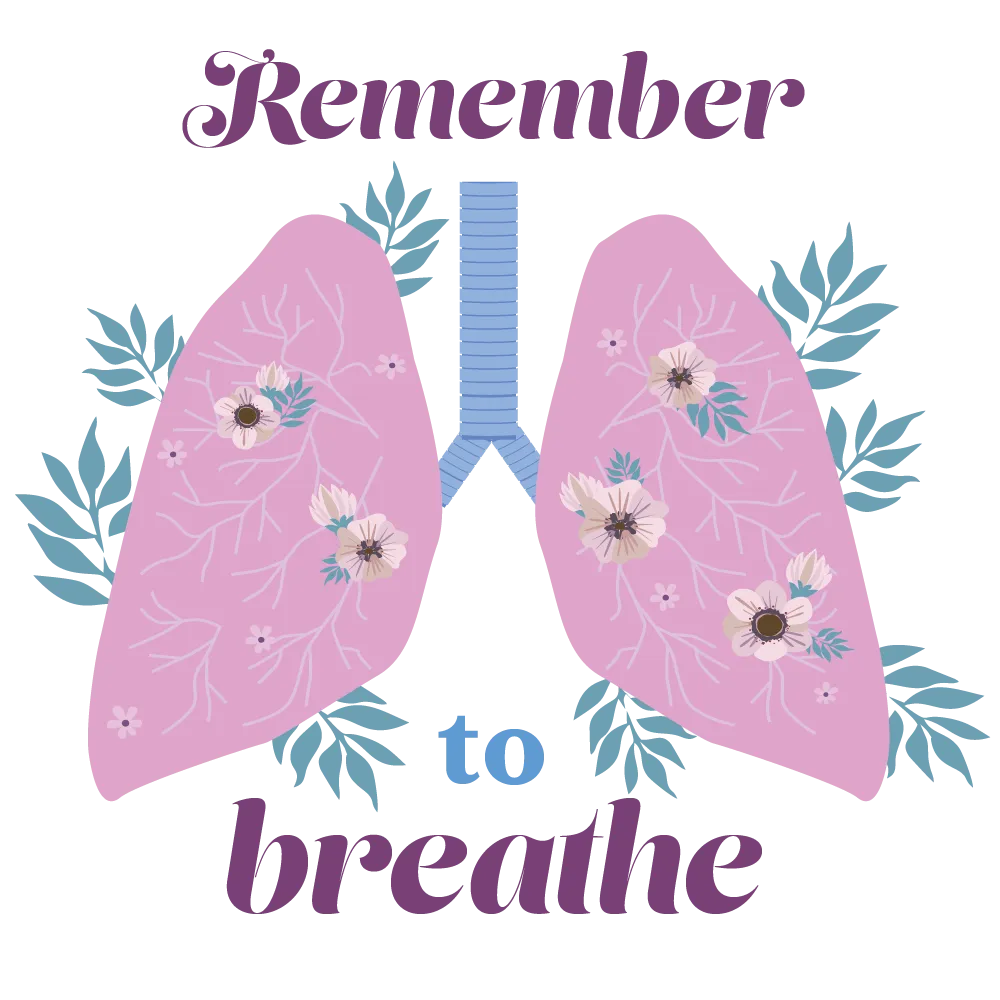
The 4-7-8 technique is a good place to start, breathe in through your nose for four seconds, hold the breath for seven seconds, then breathe out through your mouth for eight seconds. The longer out-breath is a signal to the body to relax. Try to breathe deeply into your stomach and not just into your chest, really fill your lungs. Imagine you are breathing beautiful white or golden light into your whole body, light that is healing and soothing. The act of consciously breathing and counting the seconds in your mind will have an instant calming effect.
Grounding
It is vital to ground ourselves in reality to prevent numbness from taking hold. If you feel yourself spacing out or becoming triggered, it can be helpful to state out loud who you are, where you are, what you are doing and that you are safe. It might sound silly, but it really works.
Another way to ground is using the senses, this brings us back into our body. Ask yourself–to name three things in each of the following, what can you see, hear, smell, and touch?
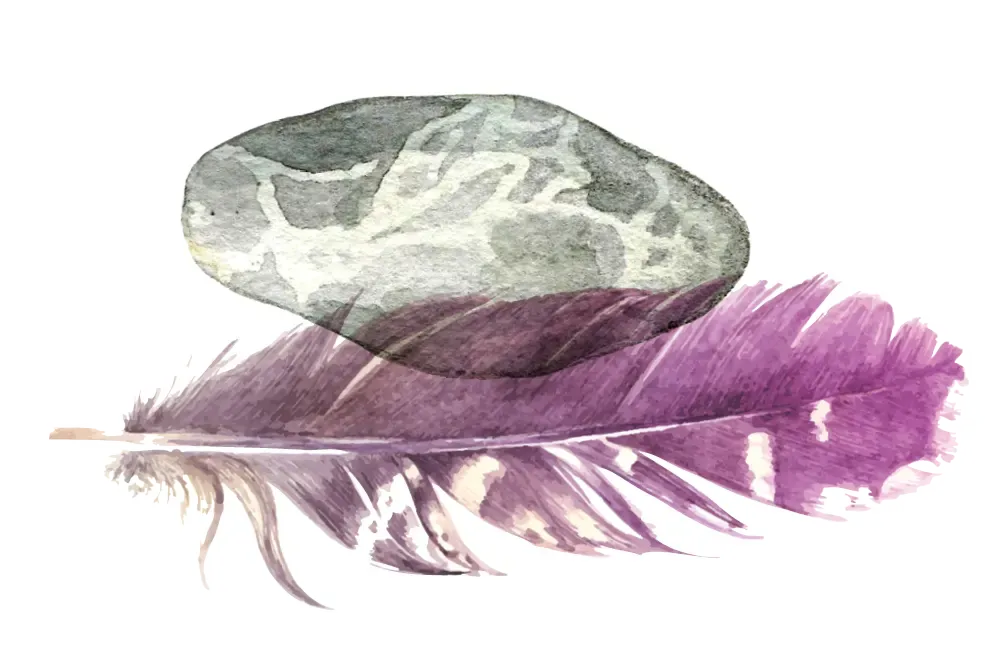
Some people find it grounding and comforting to hold a familiar object, perhaps a small object from the land like a stone, feather or a stress toy or stuffed animal when they feel triggered. Focus on the object, feel its weight and texture. This will help calm racing thoughts and use up some of the nervous energy.
Shake
When our nervous system is triggered stress hormones are released which prepare our bodies for action. When that stress response is moved into a freeze response, that energy remains stuck in our bodies.
If you have ever seen an animal after a shock, say a dog that has been attacked by another dog, you will notice them shaking quite a bit. This is a natural response and has the effect of releasing this pent-up energy so it does not get stored in the muscles. Humans are no different, if you “shake off” your stress, you will feel much calmer and lighter.


Healing Journey Take a Break
Take some time to clear your mind and colour the image below. Simply click a colour swatch and then click on the area you want to colour. You can print your finished artwork or choose to reset at any time if you’d like to start over.
Mapping Out Your Safety
Develop a personal plan to deal with trauma responses.





How Am I Coping?
Think back to how you have dealt with the stress this past week. Type a few sentences about how you have been feeling and what you have done to cope with those feelings.
What happened. How I felt, and how I coped:


Circle of Strength
Thinking about the strengths just identified, what gifts do you bring to yourself, to your family, and to your community? Please type your answers in the circles.
“You are not the darkness you endured.
You are the light that refused to surrender.”
—John Mark Green
Community

Family
Self
Adjusting to Traumas
It’s normal to be affected by trauma, and to need time and support to adjust to what you’ve experienced. Symptoms don’t always appear immediately after a trauma.
1. How your symptoms restrict your ability to interact with your family, hold a job, and be with friends?
2. Rate how important each of the areas of your life is to you (1-5 with 5 being most important).
Family
Relationships
Work
Spirituality
Health
3. look at your ratings above and choose the area that is the most important to you AND that you are least satisfied with. Basically, choose one area to start working on.
Area of Focus
4. list three specific, small goals you want to achieve in the next three months.