
Relationships & Connection

Sacredness of Voices & Truths for Families and Survivors
How to think through what happened
Each traumatic experience is an event – a ‘story’ that has a beginning, middle and end.



To process each trauma, it is best if you go through each event separately, from beginning to end. You could try writing about the event or telling someone you trust the story of what happened from beginning to end.
You’ll probably notice the first time you attempt this that the trauma story is difficult to think about. The memory may not have a clear order, or some details may be missing.
As you let yourself think through what happened, you may find the details become clearer, the order of events makes more sense, and the story becomes less painful.
It’s important that you feel safe and in control of how and when you’ll think about each trauma memory. Only do what is manageable, and what you feel in control of. For example, if writing is easier than talking, you could try that first. If thinking about some parts of what happened seems like too much, try thinking about less upsetting parts first and then come back to the more distressing parts.
Here are some suggestions for talking or writing about each traumatic event:
- while it can be tempting to work on lots of different memories, it’s best if you pick one memory at a time to think through
- try writing about the event or telling someone you trust the story of what happened
- if you write about what happened, you can always rip up the paper afterwards
- let yourself think in detail about what happened, from your point of view
- do this at a quiet time, somewhere you won’t be disturbed
- describe what happened, from beginning to end, in detail

Sorting through Memories
Reflecting upon past traumatic events can be helpful in processing it. Try to answer the following questions:



People often report that they thought they were going to die, or that they were responsible for what happened.


Do you need more information?
You may not fully understand what happened. You may have formed a negative view of yourself, other people, or the world based on what happened.
Perhaps you need more information to piece things together, or to correct any misunderstanding or confusion. For example, learning about how an event happened could help you to believe that although bad things happen sometimes, they don’t happen all the time.
Important things to remember
The ideas described in this section are just suggestions to try. It may take several practices before they lead to positive changes.
You may find that after attempting this task, you think about trauma memories more for a few days. This isn’t a bad sign. It shows your brain wants to think through what happened to make sense of it.
If you have any concerns or doubts about telling your story, you may benefit from the support of a trained professional. If you feel you need help with your mental health, try speaking to your doctor, traditional healer, or therapist.

Events and times when I may be triggered or need more support:
- Commemoration events is a ceremony that honors someone’s memory
- Vigil is an event to bring awareness
- Walk
- Day of recognition
- Anniversary dates – date of death, birthdays, anniversaries, etc.
- Court process
- News in media about unidentified remains being found
- News in media of another MMIWG
All can be triggering, and you and your family may want to think about how you will support one another during these times.


Reconnecting after Trauma
What can I do to reconnect after trauma?
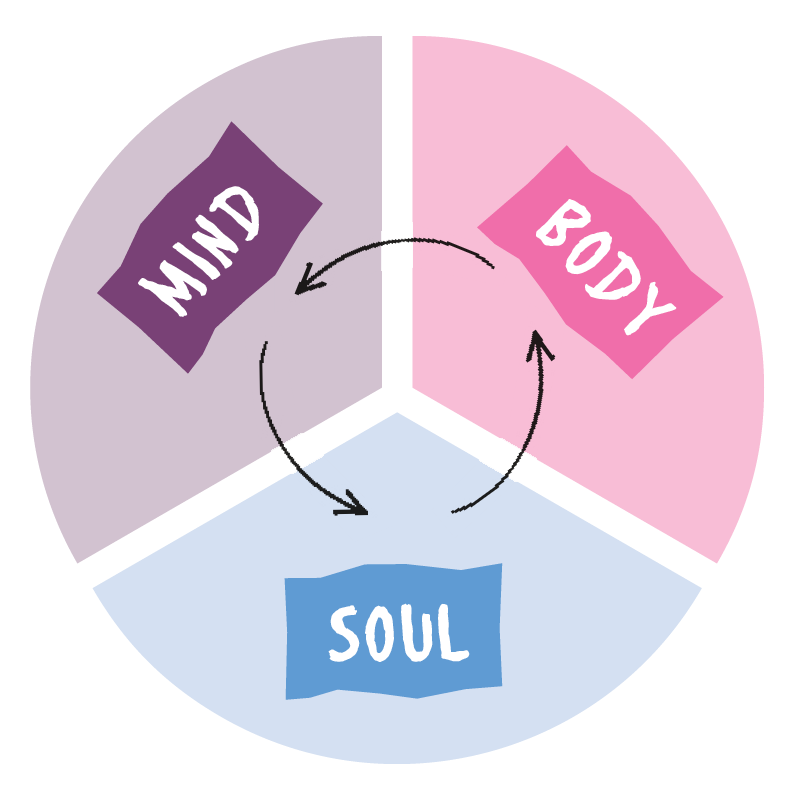
Mind
Body
Soul
Facing Feared Situations
Choose an area of your life that is limited by symptoms and make a goal that will move your life beyond its current limits. Then think of four or five smaller steps that can bring you closer to that goal.




How I will Cope
You may want to use a separate sheet of paper to brainstorm the steps. Rate each of these on a scale of 0 (not anxiety-provoking) to 10 (would cause overwhelming anxiety), and list them on the worksheet in order from lowest rating to highest. Finally, write down which coping strategies you will use to help yourself navigate these steps towards your goal.